LNEYA Enfriadoras industriales Fabricante Proveedor


Which part of the chip testing system requires high and low temperature control?
In the chip testing system, the environmental control equipment requires high and low temperature control. Specifically, this section mainly includes the following two key devices:
- High and low temperature test chamber (also known as temperature chamber or temperature control chamber): This is a closed device that can accurately control temperature within a set range, used to simulate the working environment of chips under extreme or specific temperature conditions. During the chip testing process, the chip under test (DUT) or the entire testing device (including the test socket, interface board, etc. where the DUT is installed) will be placed in the test box. The high and low temperature test chamber can automatically heat and cool, and test according to the preset temperature cycle mode (such as temperature range, lifting rate, holding time, etc.). This can evaluate the electrical performance, functional stability, thermal behavior, and potential reliability issues of chips under high temperature, low temperature, or rapid temperature changes (temperature shocks).
2. Temperature control system: For certain testing applications that require precise temperature control and rapid temperature change response, independent temperature control units may also be equipped, such as heat flow meters, thermoelectric refrigerators (TECs), etc. These devices can directly come into contact with chips or test fixtures, achieving fast and accurate temperature control of the chip’s local area.
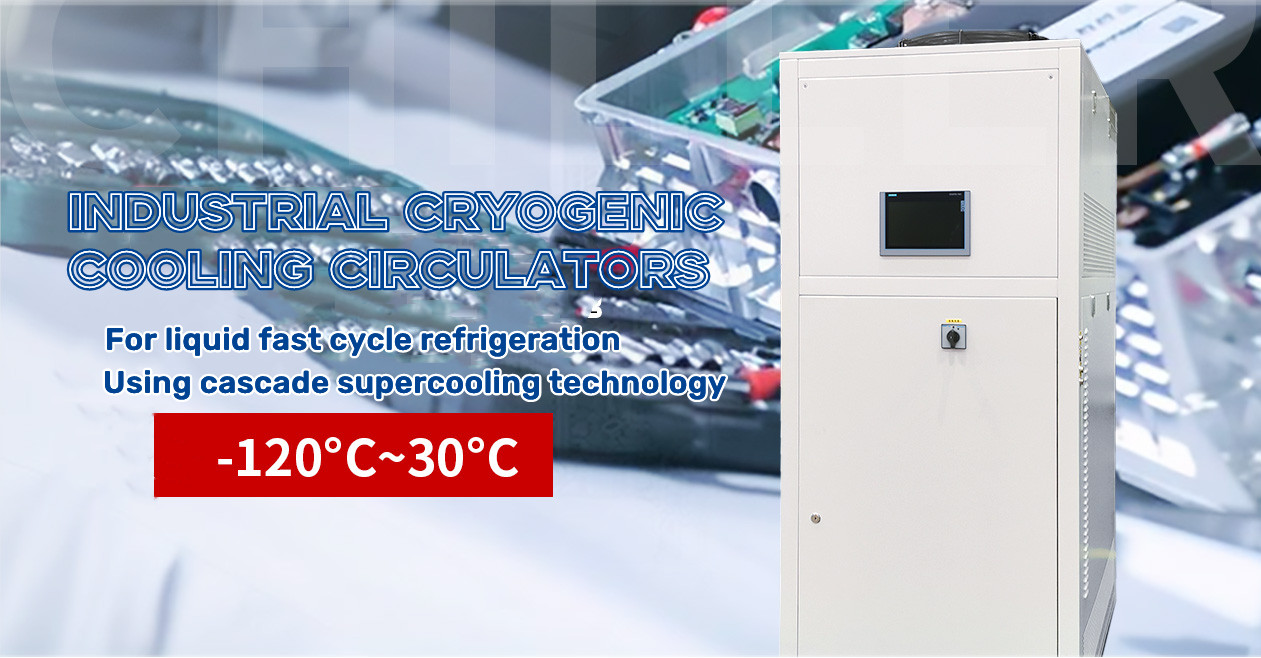
For example, in the high and low temperature testing of microcontroller MCU chips, such temperature control devices may be used in combination with high and low temperature testing machines to accurately control the operating temperature of the chip. The application of high and low temperature control in chip testing is mainly reflected in the following aspects:
^Tolerance test: Check whether the chip can still function normally even when it exceeds the normal operating temperature range (such as -40 ° C to+125 ° C or a wider range), as well as the performance degradation.
^Thermal stress testing: Evaluate the thermal fatigue and potential thermal mechanical failure risk of chips by simulating possible cold and hot impacts in practical applications through rapid temperature changes (temperature cycling).
^Thermal characteristic analysis: Determine the thermal resistance, thermal diffusion coefficient, junction temperature and other thermal parameters of the chip to help optimize heat dissipation design and thermal management strategies.
^Reliability verification: Running chips at extreme or edge temperatures for extended periods of time to accelerate exposure to potential lifespan related issues such as early failure, aging effects, etc.
^Functional verification: Verify the functional consistency of the chip at different temperatures to ensure that it meets the design specifications throughout the entire operating temperature range.
In summary, the part of the chip testing system that involves high and low temperature control is mainly used to provide and accurately control the environmental control equipment of the testing environment temperature, including high and low temperature test chambers and temperature control systems, which are crucial for evaluating the performance, stability, and reliability of the chip under various temperature conditions.
CONSULTA
Hemos desarrollado y aplicado numerosas opciones para ayudar a nuestros clientes a encontrar soluciones rentables de refrigeración industrial. Contamos con un equipo experimentado dispuesto a ayudarle con sus requisitos específicos. Para su comodidad, si tiene alguna necesidad específica, no dude en llamarnos o enviarnos un correo electrónico y responderemos rápidamente a su solicitud.


Correo electrónico: sales@cnzlj.com
WhatsApp: 086 13912479193
Recomendaciones relacionadas
-

Selection Guide for Laboratory Cooling and Heating Circulator
1686When purchasing laboratory cooling and heating circulator equipment, the key point is to meet production requirements and accelerate production output. Therefore, you need to understand the characteristics of the equipment and technical solutions ...
Ver detalles -
¿Cuáles son las principales ventajas de los refrigeradores de aceite para la industria biofarmacéutica?
1324En el sistema de refrigeración del enfriador de aceite de la industria biofarmacéutica, el compresor, el evaporador y el condensador son las partes indispensables del sistema de refrigeración. El condensador es el equipo que emite calor, que combin...
Ver detalles -
100p Freezer Instructions of LNEYA
1894When the user buys and uses 100 freezers, LNEYA will have relevant instructions for use and will be sent to the user along with the device. So, what should I pay attention to when using the 100p freezer? When receiving the equipment, the user shou...
Ver detalles -
Precautions for operation of ethylene glycol utra-low temperature chiller at minus 30 degrees
1717The minus 30 degree ethylene glycol utra-low temperature chiller is a device that is used more in the pharmaceutical and chemical industry. When using it, you need to pay attention to its operating specifications to operate it. If used improperly,...
Ver detalles