LNEYA Enfriadoras industriales Fabricante Proveedor


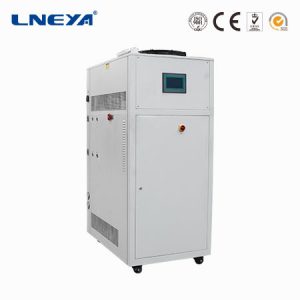
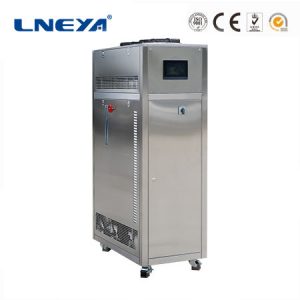
Misunderstandings in the use of vacuum pump temperature control system
When using the vacuum pump temperature control system, only the correct operation method can ensure the normal and stable operation of the equipment. If there are many wrong operation behaviors, it will directly affect the normal use of the equipment, and even affect the cooling performance.
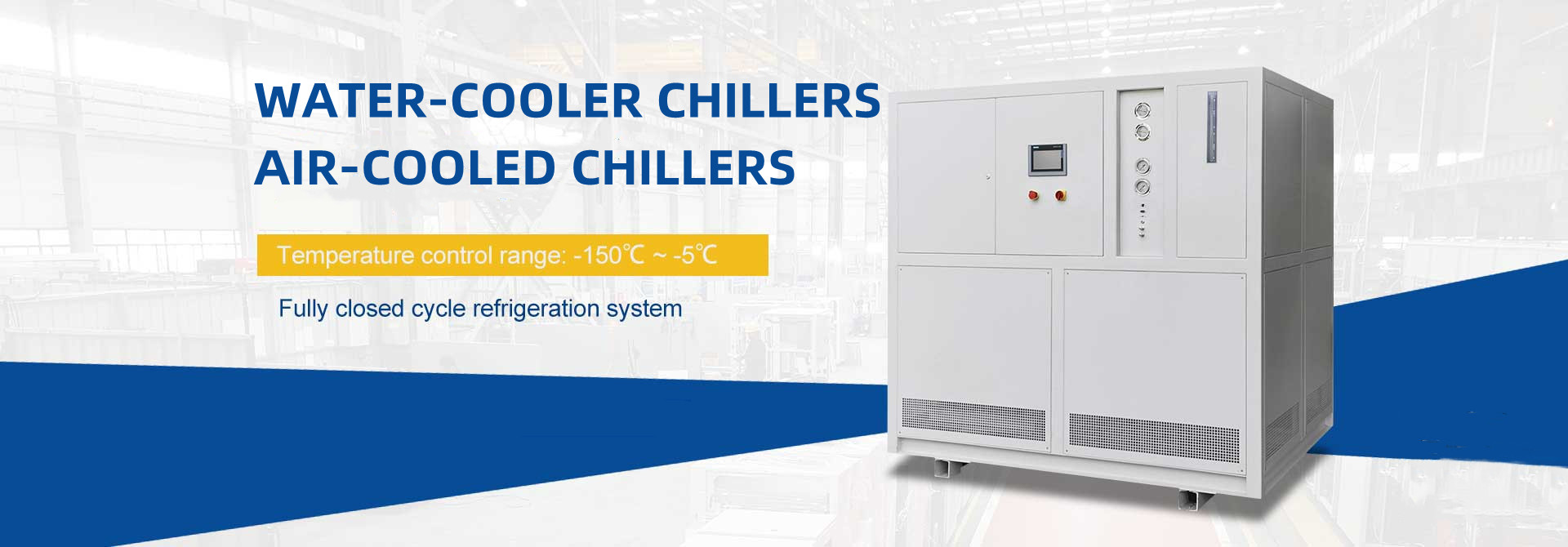
1. When starting up, adjust the pressure drop of the inlet and outlet water higher than the operating parameters. When the pressure drop is too high, open the inlet and outlet valves of the evaporator of another non-operation unit. Reduce pressure drop by draining excess water from another unit evaporator. This mode of operation is artificially increasing the running current of the cold water pump, wasting power resources.
2. When starting up, the inlet and outlet valves on the evaporator of the chiller that are not turned on are not closed first, which causes a part of the cold water to flow away from the evaporator of the chiller that is not turned on, which affects the cooling effect of the chiller in the working state.
3. In the process of operation, it is necessary to carefully study the specific steps of opening and closing the equipment, and use the correct operation method to start the heating and cooling temperature control system according to the actual use environment, so as to avoid equipment failure.
4. Every time you need to use it, you need to follow the steps in the instruction manual. If there is a different operation method than the requirement, it needs to be corrected in time, so as not to affect the normal operation of the equipment, and it is not conducive to the long-term use of the vacuum pump temperature control system by the enterprise.
Therefore, when using it, you need to learn the correct operation method. If the enterprise can complete the entire operation process of the vacuum pump temperature control system according to the operating instructions, even without any maintenance and maintenance, the service life of the equipment can also be guaranteed. Then the more failures occur, the higher the cost of use, which is not conducive to the long-term completion of production tasks for enterprises.
In terms of industrial process temperature control, no matter which temperature control system/equipment you use, they are actually chillers. The difference is that water is used as the cooling cycle or oil is used as the medium. temperature unit. Need help find our LNEYA temperature control solution department at sales@lneya.com.
Recomendaciones relacionadas
-

Características del refrigerador industrial de recirculación a temperatura constante
2215Puntos de atención en el uso del enfriador industrial de recirculación a temperatura constanteLos enfriadores industriales de recirculación a temperatura constante se utilizan ampliamente en los sectores farmacéutico, químico y de laboratorio. A continuación, vamos a introducir las características...
Ver detalles -
Won the “2021 High Quality Development Award”
2552On the afternoon of May 8, 2022, the 2020 Annual Summary and Commendation Conference was held in Hongshan Street, Wuxi City. Wuxi Guanya Constant Temperature Refrigeration Technology Co., Ltd. (LNEYA) won the "2020 Outstanding Contribution Award"...
Ver detalles -
Análisis de principios del enfriador de glicol
1640El enfriador de glicol es un enfriador industrial con glicol como refrigerante. La estructura del enfriador de glicol es más o menos la misma que la del enfriador industrial ordinario, que se compone de compresor, evaporador, condensador y sistema de control eléctrico. ...
Ver detalles -
Sistema de control de la temperatura de refrigeración y calefacción para pruebas aeroespaciales de disipadores térmicos en vacío
1354La aplicación del sistema de control de temperatura de refrigeración y calefacción en las pruebas de disipadores de calor en entornos de vacío aeroespaciales es muy crítica. Estos equipos suelen utilizarse para simular pruebas de rendimiento térmico en condiciones de temperatura extremas...
Ver detalles