LNEYA Enfriadoras industriales Fabricante Proveedor


The necessity of temperature heating and cooling cycle in the process of catalytic hydrogenation
In recent years, with the rising price of oil, the demand for benzene obtained from coking benzene has increased, coupled with the country’s increasing emphasis on environmental protection, the widespread application of coking benzene hydrogenation technology is imperative.
According to the reaction temperature, the coking crude benzene catalytic hydrogenation process can be divided into three types: high temperature hydrogenation (600℃~ 630℃), intermediate temperature hydrogenation (480℃~ 550℃) and low temperature hydrogenation (350℃~ 380℃). It is a high-temperature hydrogenation and low-temperature hydrogenation process.
Temperature has an effect on the reaction rate and selectivity of the hydrogenation reaction, but it does not necessarily have to be high temperature, because the actual production process often uses a catalyst to reduce the reaction temperature, which is very beneficial to production.
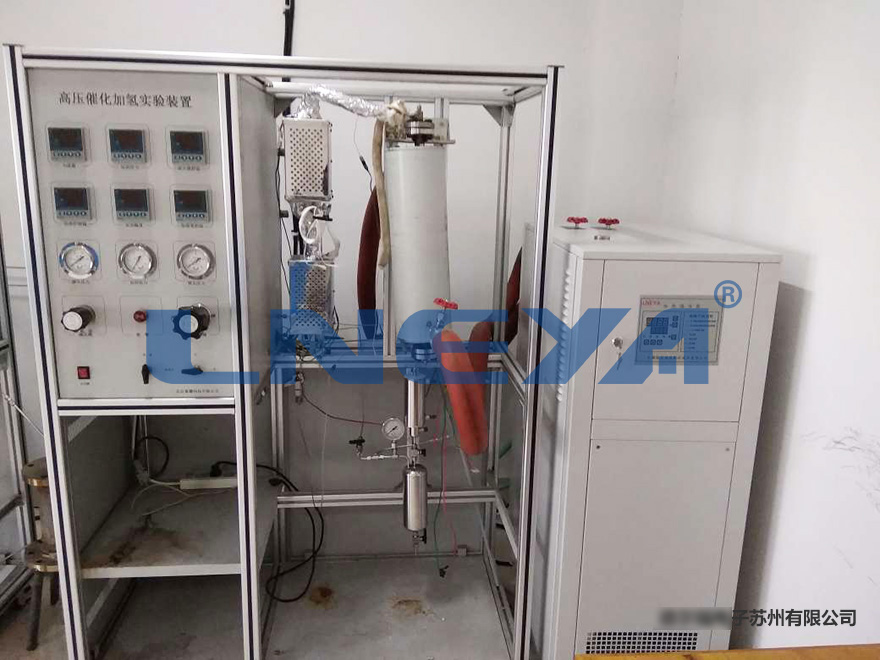
Constant temperature circulators are used more in pharmaceuticals, chemical engineering, and laboratories. Constant temperature circulators can also have heating and cooling functions. They can be used for cooling and heating or maintain constant temperature in the maximum temperature range of -25℃ to 200℃. It uses refrigerants. Compression, condensation, expansion, and evaporation, continuously absorb heat and vaporize at the evaporator, perform cooling and cooling, transfer heat from low-temperature objects to a cycle process like high-temperature objects, cool materials to the required temperature and maintain low temperature.
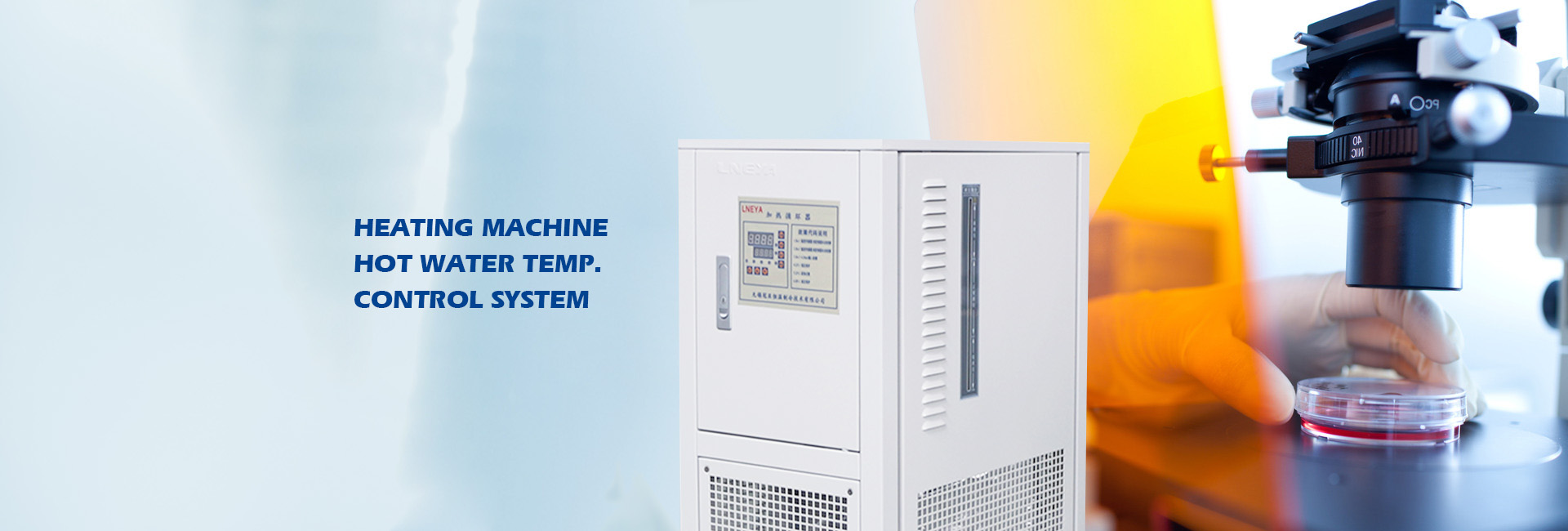
The scope of application is relatively wide, and experimental equipment such as reactors, reactors, fermentation tanks, evaporators, etc. are often used together. LNEYA circulador de calefacción UC series products can realize the high temperature cooling process, from the high temperature of 300 ℃ to 50 ℃ directly. Equipped with a heating and cooling integrated container, the heat exchange area is large, the rate of temperature rise and fall is fast, and the demand for heat conduction oil is small. The product adopts fully enclosed circulation, high temperature without oil mist volatilization, heat conduction oil will not be oxidized and browned. The entire system is a fully enclosed system. There is no oil mist at high temperatures. At low temperatures, it does not absorb moisture in the air. During operation, the system will not increase pressure due to high temperatures. Low temperature automatically replenishes the heat transfer medium.
Recomendaciones relacionadas
-

Existence of vacuum furnace cooling system of LNEYA cooling heating system
1815High-temperature vacuum furnace refers to an industrial furnace heated by electric heating elements in a state close to a vacuum. High-temperature vacuum furnace is generally composed of furnace, electric heating device, vacuum system, sealed furn...
Ver detalles -
¿Qué significan los códigos de avería de la enfriadora LNEYA? ¿Cuál es la solución?
2526Q: What is the fault code of the chiller? Answer: E1 means extremely high indoor temperature alarm, E2 means extremely high temperature alarm, E3 means extremely low temperature alarm, E4 means indoor temperature controller failure, E5 means water...
Ver detalles -
High and low temperature alternating wet heat shock test box function description
1552Consumers need to pay attention to the performance of the high and low temperature alternating wet heat shock test chamber. LNEYA's test chamber is closer to the needs of the purchasing company. The high and low temperature alternating heat and hu...
Ver detalles -
Professional introduction of dynamometer with motor cooling device
2006In the test of AC and DC motor and power tool, the test equipment such as dynamometer is often used. The dynamometer mainly tests the torque, speed and output power of the motor. The speed of the dynamometer usually Professional introduction of d...
Ver detalles