LNEYA Enfriadoras industriales Fabricante Proveedor


What should you pay attention to when installing a DC charging pile cooling system?
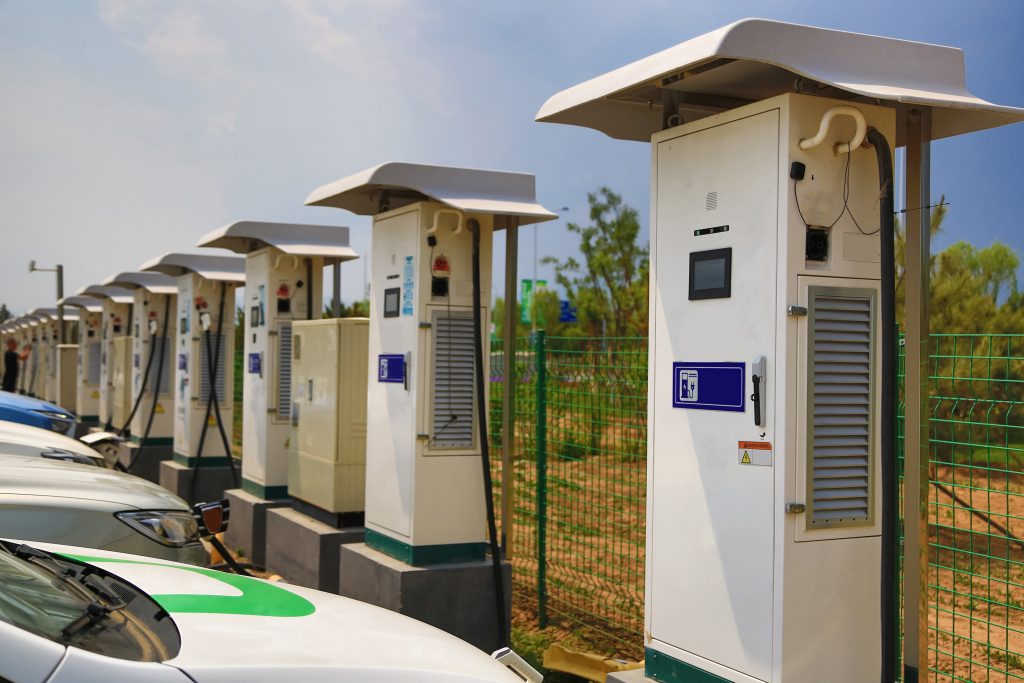
1.Understand the characteristics of the DC charging pile cooling system
Before installing a DC charging pile cooling system, you need to understand the characteristics of the equipment. This includes things like the device’s size, weight, operating temperature range, and power requirements. Ensure that the equipment has sufficient space and power required for its operation at the installation site, and ensure that the operating temperature range of the equipment meets actual requirements.
2.Dealing with common problems of DC charging pile cooling system
During the installation and use of the DC charging pile cooling system, you may encounter some common problems. Here are solutions to common problems:
- Insufficient cooling/heating effect: This may be caused by scaling inside the equipment, blocked pipes, or insufficient refrigerant. Maintenance and maintenance should be carried out regularly, including cleaning internal scale, replacing filters, adding refrigerant and other measures.
- Equipment abnormality: If the equipment has abnormal sound, vibration or odor, it should be shut down immediately for inspection. It may be caused by damaged internal parts of the equipment, broken pipes, or other reasons. The manufacturer or maintenance personnel should be contacted in time for maintenance.
- Electrical failure: If the equipment cannot start normally or other electrical failures occur, you should check whether the power connection is normal and whether the wires are damaged or loose. If you cannot solve it yourself, you should seek help from an electrician.
- Waterway system problems: If the equipment has problems such as water leakage, insufficient water volume, or abnormal water temperature, you should check whether the waterway system is well sealed and whether the accessories are damaged. If you cannot solve it by yourself, you should contact the manufacturer or maintenance personnel for repair.
As a device that can provide both high and low temperature environments, the correct installation and use of the DC charging pile cooling system is crucial to giving full play to its performance. This article will discuss the points to note during the installation of the DC charging pile cooling system.
 Liquid Cooling Chiller(Commercial Energy Storage)
Battery Energy Storage Systems are filled with many battery cells, generating a large amount of extreme heat load. This means that the cooling system needs to precisely control the temperature and efficiently dissipate the l…
-
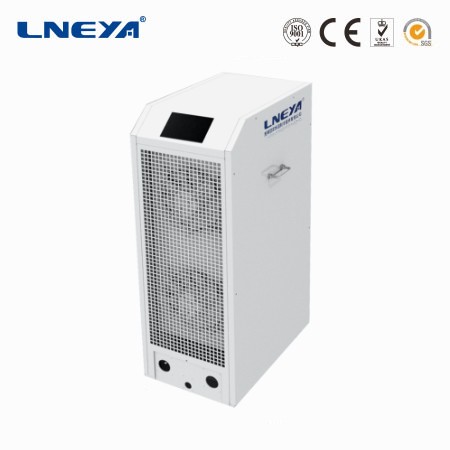
Liquid Cooling Chiller(Charging Pile)
Model CHDYL-4 -45℃~55℃ Cooling Power 4KW Temp control accuracy ±1℃ Real-time temperature record Refrigerant Brine circulation system fully enclosed design Flow 1.8~5.5L/min Pressure 0.7bar Minimum water inlet temperature 15°C (…
-
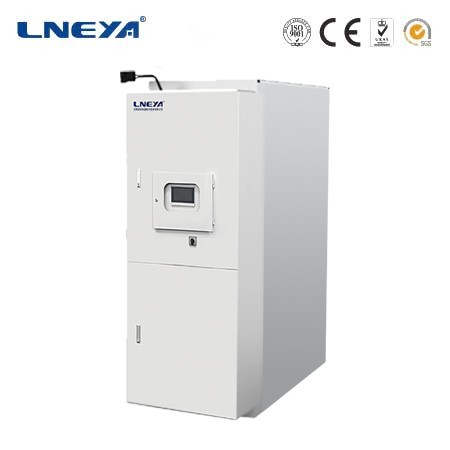
Liquid Cooling Chiller(Energy Storage)
Modelo CNYL -45~55 Capacidad de enfriamiento 45KW Precisión de control de temperatura ±0.5℃ Registro de temperatura en tiempo real Refrigerante secundario Anticongelante de etilenglicol, diseño totalmente cerrado del sistema de circulación de refrigerante Refrigerante R41...
loading…
已经是到最后一篇内容了!
Recomendaciones relacionadas
-

Proceso de producción del enfriador de baterías de nueva energía serie KRY
1479It is suitable for the new generation of energy-based battery packs, which can effectively test the environmental adaptability of the battery packs, improve the safety and reliability of the vehicle, and ensure the good operation of the vehi...
Ver detalles -
KRY -40℃~+100℃ (1to1)
4977Refrigeration, heating, temperature control, flow control Connect the tested object to a testing platform adapterThe components are cooled and heated internally through ethylene glycol aqueous solution for testing. ...
Ver detalles -
KRY -40℃~+100℃ (1to2)
3587Temperature range is -40℃~+100℃, which can be extended to +135℃ according to the actual situation, and the temperature control accuracy is plus or minus 0.5℃. Theequipment can control the flow and pressure independently while c...
Ver detalles -
KRY -25℃~+100℃
3258Temperature range is -25℃~+100℃, which can be extended to +135℃ according to the actual situation, and the temperature control accuracy is plus or minus 0.5℃. The equipment can control the flow and pressure independently w...
Ver detalles