 LNEYA Enfriadoras industriales Fabricante Proveedor


Reactor Cooling System Installation — Common Chiller Mistakes to Avoid
Is the reactor cooling system experiencing unstable temperatures after installation? Is your well-known brand enfriadora frequently alarming or tripping? Often, these issues stem not from substandard equipment performance but from minor installation errors. Even new equipment can exhibit erratic performance if improperly installed. Have you encountered any of the following common issues when installing a chiller?
Improper Coolant Piping Design
Many users underestimate how piping design affects cooling performance. A pipe diameter that is too small reduces flow, while excessive elbows, long runs, or chaotic routing increase resistance. Some users, for convenience, simply use existing piping. he chiller seems to work fine, yet the reactor cools down very slowly, making it difficult to achieve the desired target. Our engineers’ inspection revealed that the piping design failed to consider the impact of flow rate and velocity on cooling efficiency.
We therefore recommend prioritizing the use of materials and pipe diameters recommended by the chiller manufacturer when planning piping, minimizing elbows and shortening routing.
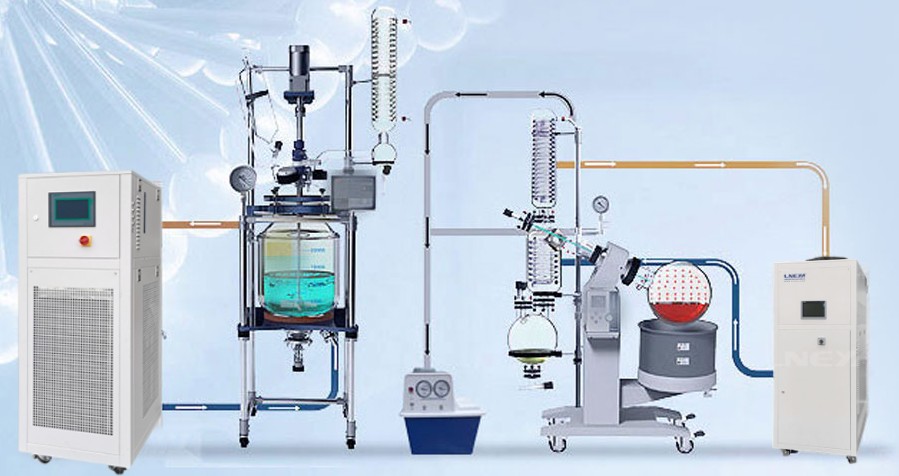
Insufficient Coolant Filling or Air Entrapment in the Loop
Many first-time users of sistemas de control dinámico de temperatura make the mistake of insufficient coolant filling or air pocket within the system. This can lead to poor system circulation and frequent equipment alarms. If your chiller issues a low flow or high temperature alarm after just a few minutes of operation, or if there’s a significant temperature difference between the inlet and outlet coolant lines, consider whether the air was properly removed during the filling process.
Mismatch Between Chiller Capacity and Reactor Heat Load
When selecting reactor cooling equipment, some users ignore the heat load values calculated by experts and, to cut costs, make rough estimates based on the equipment’s power and reactor capacity. As a result, the chiller fails to reduce the temperature, even at full capacity. In processes with wide temperature ranges, insufficient capacidad de refrigeración can prolong reaction times and affect product cooling. Therefore, heat load assessments from chiller suppliers are crucial.
Improper or Missing Grounding
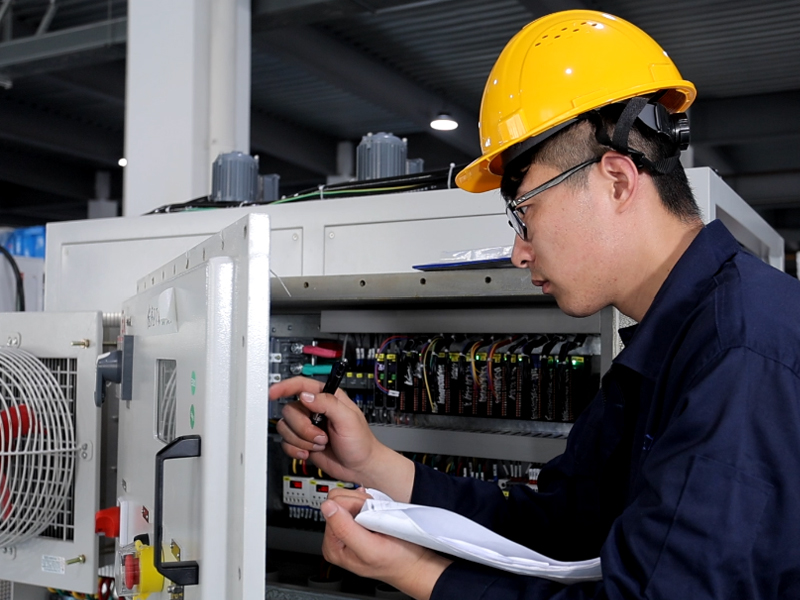
Chillers are high-power industrial equipment with complex internal electrical systems. Without reliable grounding, the risk of leakage and electromagnetic interference is magnified, potentially leading to more serious consequences. Some projects have poor grounding conditions at the installation site, so they choose to directly connect the chiller casing to the ground. However, this practice poses significant safety risks. For the safety of equipment and personnel, the chiller must be grounded.
Improper Installation in Confined Spaces
Many laboratories and workshops are limited in space. To minimize space usage, some people install chillers in corners, under cabinets, or simply in storage areas. This is a common practice. In fact, last week, a customer called our after-sales technician to report that their refrigerador por aire was unable to cool the reactants to the set temperature and frequently displayed over-temperature alarms.
Because it was summer, the technician considered the ambient temperature as too high. However, upon arrival at the site, we discovered that, to save space, the customer had ignored our installation instructions and installed the chiller in a tight, enclosed space under the stairs. This prevented the hot air from being exhausted and instead repeatedly sucked in and blown back onto the condenser, causing the equipment to shut down due to high-temperature alarms soon after startup.
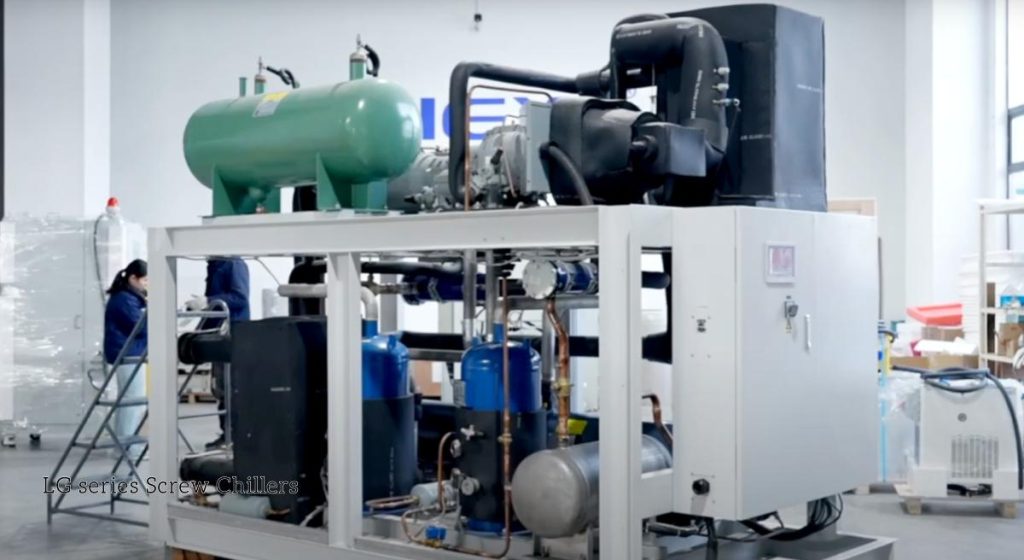
Both air-cooled and enfriadoras de agua require ample space for ventilation and heat dissipation. Never expect a device that’s already running hot to cool your reactor.
Skipping Trial Run and System Commissioning
Some customers decline our on-site installation service and opt for an unknown local chiller installation company. As a result, after the installation is complete and the chiller is running normally, they deliver it immediately without performing flow, response, or load tests.
Many problems only become apparent after operation, such as insufficient pump power, large fluctuations in reactor load, and frequent chiller starts and stops. To ensure long-term smooth operation of your equipment, our experts recommend hiring professional installation personnel and conducting no-load and load tests to confirm system stability before officially commissioning.
Conclusión
Only when properly installed can a chiller fully realize its potential and provide stable temperature control for your reactor. Have you faced similar issues during installation? Or are you planning a new project involving reactor cooling?
Contact LNEYA today for technical support and a detailed quote on reactor temperature control systems.

Blogs recientes
- What Does a 200 Ton Chiller Cost
- Temperature Control in Photolithography
- Is a Used Chiller a Good Idea
- Chiller Components and Refrigeration Fundamentals Guides
Catálogo
- diciembre 2025
- noviembre 2025
- octubre 2025
- septiembre 2025
- agosto 2025
- julio 2025
- junio 2025
- mayo 2025
- marzo 2025
- febrero 2025
- enero 2025
- diciembre 2024
- noviembre 2024
- octubre 2024
- septiembre 2024
- agosto 2024
- julio 2024
- junio 2024
- mayo 2024
- abril 2024
- marzo 2024
- febrero 2024
- septiembre 2023
- julio 2023
- junio 2023
- mayo 2023
- enero 2023
Etiqueta
refrigerador por aire enfriadora Chiller Maintenance refrigeradores Montaje en frío Congelador enfriador de refrigeración sistema dinámico de control de la temperatura chiller de bajo consumo energético circulador de calefacción enfriadora industrial enfriadoras industriales refrigeración industrial congelador industrial frigorífico industrial reactor de camisa refrigerador de laboratorio refrigerador de baja temperatura noticias enfriador de proceso enfriamiento de procesos refrigeración del reactor reactor calefacción refrigeración circulador refrigerado refrigerador de tornillo enfriador de semiconductores enfriador de pruebas de semiconductores sundi tcu control de temperatura cámara de pruebas termostato refrigerador de ultra baja temperatura enfriador de pruebas de vehículos enfriador de agua refrigerador por agua
Póngase en contacto con nosotros
Enfriadores relacionados


CONTÁCTANOS
TEL:
EMAIL:
WeChat & WhatsApp:

Wechat QR

¿Tiene alguna pregunta o necesita un presupuesto? Complete el formulario a continuación y nuestro equipo se pondrá en contacto con usted en 24 horas.

