 LNEYA Enfriadoras industriales Fabricante Proveedor


The Role of Chillers in Hydrogen Production
When you think about hydrogen production, most folks jump straight to electrolyzers, reformers, or those massive tanks holding the gas. But there’s one piece of equipment quietly doing its job behind the scenes: the enfriadora industrial. Without solid temperature control, you risk losing efficiency, safety, and even the quality of your hydrogen output.
If you’ve spent time in a hydrogen plant, you know it’s not a slow, steady process. Temperatures can jump around quickly. Machines heat up fast under heavy loads. And any temperature swings can mess up the whole system. That’s exactly where chillers step in—keeping things cool and steady.
Temperature Control Demands in Hydrogen Production
There’s no single recipe for making hydrogen. The method you use — splitting water, reforming natural gas, or purifying mixed gas streams — changes the heat profile completely. But the rule stays the same: if you can’t manage the heat, you can’t control the process.
Electrolysis Cooling
On paper, electrolysis is straightforward: run electricity through water, collect hydrogen on one side and oxygen on the other. In practice, it’s a heat factory. The electrolyzer stack builds up temperature fast, and too much of it can damage the membranes, cut efficiency, or wear out expensive parts before their time.
That’s why modern setups run cooling loops tied to a chiller. The chilled fluid pulls heat out through a heat exchanger, keeping the stack right where it needs to be — often in the 50–80 °C range, depending on the system design. It’s not just about preventing overheating. A steady operating temperature means you get consistent hydrogen purity and predictable output shift after shift.
Steam Methane Reforming (SMR)
Large-scale plants still lean heavily on SMR. Here, methane reacts with steam at blistering temperatures to produce hydrogen and CO₂. The furnace section handles the extreme heat, but once the gas moves downstream — into shift converters and purification stages — you need tighter temperature control.
This is where chillers step in. They’re often part of intercooler stages that knock the temperature down between process steps. They also keep catalyst beds from getting thermally stressed, which helps extend their life. Skip proper cooling, and you’re not just losing efficiency — you’re inviting costly downtime.
Pressure Swing Adsorption (PSA) and Hydrogen Purification
PSA units are the cleanup crew, pulling impurities from the gas stream. But the adsorption/desorption cycles themselves generate heat, and over time, that temperature rise can mess with the way the adsorbent material works.
By integrating a chiller into the system, operators can hold PSA units in their ideal temperature range. In some cases, the chiller also cools hydrogen after compression but before storage — a must when you’re working with high-pressure systems that can heat up quickly.
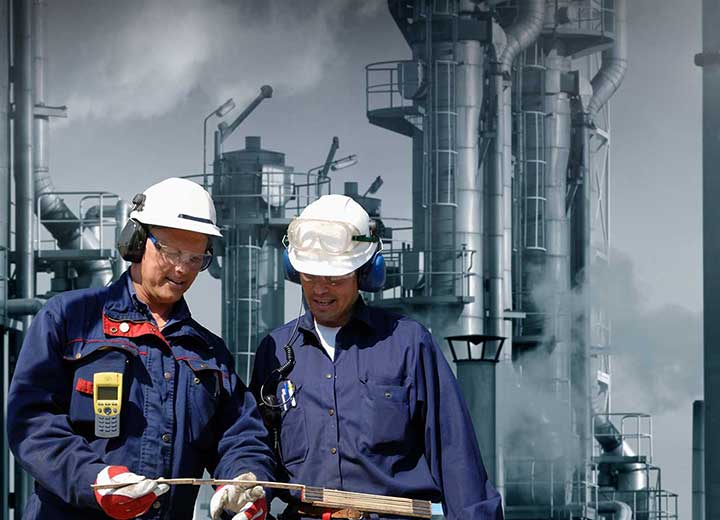
What Chilllers Actually Do
Think of chillers as the process’s thermostat. If the temperature drifts, performance suffers. A solid chiller keeps reactions stable and equipment safe.
For electrolysis, that means handling steady heat over long runs. For SMR, it’s cooling hot gas fast to protect downstream parts. Either way, chillers work around the clock to keep things in check.
Controlling Reaction Temperature
Think of the production process like tuning a high-performance engine. If your temperature drifts out of range, output drops. A good chiller is the equivalent of a rock-steady thermostat — it stops sudden spikes that can throw reaction rates off or cause damage.
In electrolysis, that means keeping low-level heat in check over long runs. In SMR, it’s about cooling hot gas fast enough to protect the next stage. Different roles, same goal: keep the process in the sweet spot.
Cooling Auxiliary Equipment
It’s not just the reactors that need help. Compressors, pumps, motor drives, and even electrical cabinets can run hotter than they should. Chillers can handle these auxiliary loads, protecting systems from heat-related shutdowns.
Anyone who’s watched a compressor trip on a sweltering afternoon knows the pain — production stops, pressure drops, and the clock starts ticking on lost output. A reliable chiller buys you stability when ambient conditions aren’t on your side.
Supporting Hydrogen Compression and Storage
Compressing hydrogen to 350 or 700 bar is no small task. Each compression stage adds heat, and if that heat isn’t removed, it can trigger safety limits or damage seals. Chillers cool the gas between stages, making the process safer and more energy-efficient.
They also help before storage. Cooler hydrogen is easier to manage in tanks — less thermal expansion, more stable pressure, and better long-term storage conditions.
Conclusión
Hydrogen is the fuel of the future, but making it today is a serious engineering feat. From electrolysis to PSA, every step benefits from steady, efficient cooling. Enfriadores industriales are central to keeping it all running right.If you’re looking to upgrade or build out a cooling system for a hydrogen project, it’s worth talking to a manufacturer that understands the demands of the industry.
LNEYA has been building industrial chillers for years, with systems designed to handle everything from electrolyzer stacks to high-pressure gas compression.Whether you need steady low-temperature control or flexible capacity for seasonal swings, they can help spec out and deliver a unit that matches your process.
Reach out and see how the right cooling solution can keep your plant running at its best.

Blogs recientes
- What Does a 200 Ton Chiller Cost
- Temperature Control in Photolithography
- Is a Used Chiller a Good Idea
- Chiller Components and Refrigeration Fundamentals Guides
Catálogo
- diciembre 2025
- noviembre 2025
- octubre 2025
- septiembre 2025
- agosto 2025
- julio 2025
- junio 2025
- mayo 2025
- marzo 2025
- febrero 2025
- enero 2025
- diciembre 2024
- noviembre 2024
- octubre 2024
- septiembre 2024
- agosto 2024
- julio 2024
- junio 2024
- mayo 2024
- abril 2024
- marzo 2024
- febrero 2024
- septiembre 2023
- julio 2023
- junio 2023
- mayo 2023
- enero 2023
Etiqueta
refrigerador por aire enfriadora Instalación de enfriadoras Chiller Maintenance chiller refrigerant refrigeradores Montaje en frío Congelador enfriador de refrigeración refrigeración calefacción cooling system sistema dinámico de control de la temperatura chiller de bajo consumo energético enfriador a prueba de explosiones congelador circulador de calefacción enfriadora industrial enfriadoras industriales refrigeración industrial congelador industrial frigorífico industrial reactor de camisa refrigerador de laboratorio refrigerador de baja temperatura noticias enfriador de aceite enfriador de proceso enfriamiento de procesos reactor enfriador refrigeración del reactor refrigeración del reactor calefacción reactor calefacción refrigeración circulador refrigerado refrigerador de tornillo enfriador de semiconductores enfriador de pruebas de semiconductores sundi tcu control de temperatura cámara de pruebas termostato refrigerador de ultra baja temperatura enfriador de pruebas de vehículos enfriador de agua refrigerador por agua
Póngase en contacto con nosotros
Enfriadores relacionados


CONTÁCTANOS
TEL:
EMAIL:
WeChat & WhatsApp:

Wechat QR

¿Tiene alguna pregunta o necesita un presupuesto? Complete el formulario a continuación y nuestro equipo se pondrá en contacto con usted en 24 horas.

