 LNEYA Enfriadoras industriales Fabricante Proveedor


What Are the Benefits of Using a Glycol Chiller
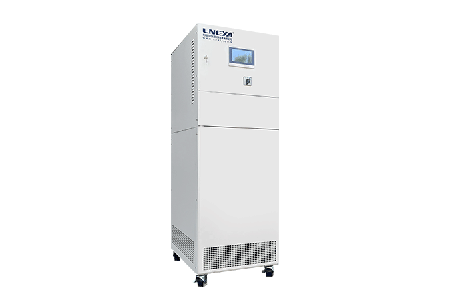
When a plant needs reliable low temperature cooling, the answer is not always a standard water chiller. Some lines ice up, pumps cavitate, and production stop because the wrong fluid was chosen. A enfriador de glicol changes that picture. It keeps the fluid liquid at subzero conditions, protects metal parts.
What is a glycol chiller?
A glycol chiller cools a mixture of water and glycol and circulates that mixture through process equipment. The glycol is usually either propylene glycol or ethylene glycol. Propylene glycol is food safe in many cases and used in beverage and dairy plants. Ethylene glycol has slightly better thermal properties but it is more toxic and needs safer handling.
The chilled glycol solution moves through pumps, plate o shell and tube heat exchangers, and piping to remove process heat. The refrigeration side looks like a normal chiller. The difference is the process fluid. That choice affects freeze point, viscosity, pump selection, and maintenance needs.
Benefits of Using a Glycol Chiller
Reliable operation in low temperature environments
Many standard water chillers struggle once the ambient temperature drops close to freezing. Ice starts to form inside the pipes, blocking the flow and damaging pumps. In contrast, a glycol chiller keeps running smoothly.
The glycol mixture lowers the freezing point of the coolant. Depending on the concentration, it can work perfectly at -10°C, -20°C or even lower.
Glycol chillers are ideal for outdoor installations or facilities with long pipe runs exposed to cold air. The coolant stays liquid, protecting the system from frost damage and keeping production stable when the weather turns harsh.
Corrosion protection and scale control
Water seems harmless, but over time it reacts with metal parts and creates rust, scale, and deposits. Once that happens, heat transfer efficiency drops, energy use goes up, and maintenance becomes a constant headache.
The glycol mixture solves this. It contains corrosion inhibitors that form a thin protective layer on the metal surface. This prevents oxidation and scaling inside the system. This means less rust inside heat exchangers and valves.
It also means fewer scale deposits when the facility water quality is poor. The coolant loop stays clean and stable after years of operation.
Supports longer piping layouts
Not every cooling system sits right next to the process it serves. In large plants, the coolant may travel hundreds of feet through insulated pipes. With water, temperature and pressure often drop along the way, leading to uneven cooling.
A glycol cooling system performs better in this situation. Because of its physical properties, the glycol-water mixture maintains stable flow and temperature over longer distances. It does not freeze in exposed sections and helps ensure every part of the process gets consistent cooling.
This makes glycol chillers a good choice for distributed systems, such as multi-floor facilities or outdoor-to-indoor cooling loops.
Better environmental adaptability
A glycol chiller does not need seasonal draining or special maintenance in winter. The mixture stays fluid all year, even in cold climates. This makes the system more flexible for installations where temperatures change a lot between seasons.
For example, in northern states or mountainous areas, a standard water chiller often has to be shut down and drained before the first freeze. That adds downtime and extra labor. A glycol chiller eliminates this step completely. You can leave it running through the year with minimal attention.
This adaptability also helps in outdoor applications. From rooftop cooling units to mobile process chillers, glycol-based systems handle both summer heat and winter cold without trouble.
Wide application range
Glycol chiller systems work across many industries. Breweries and wineries use glycol for fermentation temperature control and plate chiller duties. Dairy plants use glycol for pasteurization and product cooling.
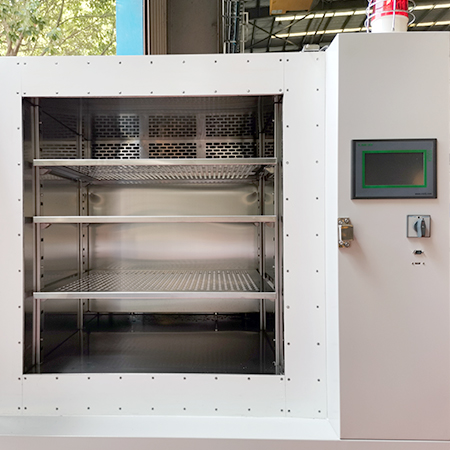
Chemical and pharmaceutical plants use glycol for jacketed reactors and controlled temperature baths. Glycol chillers also power cámaras de pruebas ambientales y low temperature lab equipment.
Customize Your Glycol Chiller
LNEYA offers both standard and custom glycol chillers. Our technical team will carefully verify every parameter based on your application to ensure the final product meets your exacting expectations. Contact us now for a free consultation and quote.

Blogs recientes
- What Does a 200 Ton Chiller Cost
- Temperature Control in Photolithography
- Is a Used Chiller a Good Idea
- Chiller Components and Refrigeration Fundamentals Guides
- Chiller Types and Selection Guides
- How Does a Peltier Cooler Work
- Peltier Chiller vs. Compressor Chiller
- What Is a Peltier Chiller
Catálogo
- diciembre 2025
- noviembre 2025
- octubre 2025
- septiembre 2025
- agosto 2025
- julio 2025
- junio 2025
- mayo 2025
- marzo 2025
- febrero 2025
- enero 2025
- diciembre 2024
- noviembre 2024
- octubre 2024
- septiembre 2024
- agosto 2024
- julio 2024
- junio 2024
- mayo 2024
- abril 2024
- marzo 2024
- febrero 2024
- septiembre 2023
- julio 2023
- junio 2023
- mayo 2023
- enero 2023
Etiqueta
refrigerador por aire enfriadora Instalación de enfriadoras Chiller Maintenance chiller refrigerant refrigeradores Montaje en frío Congelador enfriador de refrigeración refrigeración calefacción cooling system sistema dinámico de control de la temperatura chiller de bajo consumo energético enfriador a prueba de explosiones congelador circulador de calefacción enfriadora industrial enfriadoras industriales refrigeración industrial congelador industrial frigorífico industrial reactor de camisa refrigerador de laboratorio refrigerador de baja temperatura noticias enfriador de aceite enfriador de proceso enfriamiento de procesos reactor enfriador refrigeración del reactor refrigeración del reactor calefacción reactor calefacción refrigeración circulador refrigerado refrigerador de tornillo enfriador de semiconductores enfriador de pruebas de semiconductores sundi tcu control de temperatura cámara de pruebas termostato refrigerador de ultra baja temperatura enfriador de pruebas de vehículos enfriador de agua refrigerador por agua
Póngase en contacto con nosotros
Chillers relacionados


CONTÁCTANOS
TEL:
EMAIL:
WeChat & WhatsApp:

Wechat QR

¿Tiene alguna pregunta o necesita un presupuesto? Complete el formulario a continuación y nuestro equipo se pondrá en contacto con usted en 24 horas.

