 LNEYA Enfriadoras industriales Fabricante Proveedor


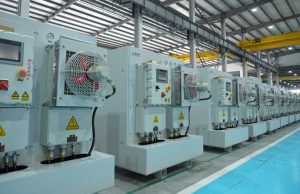
Qué tipos de protección a prueba de explosiones se utilizan en los chillers
988Explosion proof chillers ensure safe cooling in hazardous areas by combining flameproof, purged, Ex e, and intrinsic safety designs.
Ver detallesBuscar en toda la estación
Explosion proof chillers ensure safe cooling in hazardous areas by combining flameproof, purged, Ex e, and intrinsic safety designs.
Ver detalles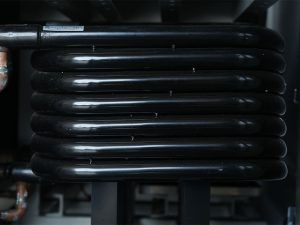
Condenser and evaporator in refrigeration systems handle heat transfer on hot and cold sides. Learn their differences and maintenance tips.
Ver detalles
Intrinsically safe and explosion proof chillers protect hazardous areas. Learn key differences, best applications, and safety considerations.
Ver detalles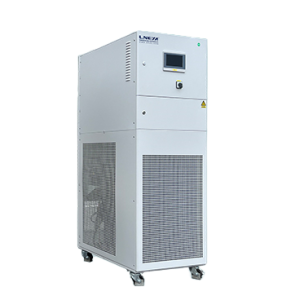
Low refrigerant in a chiller reduces cooling capacity, raises energy costs, stresses components, and shortens system life.
Ver detalles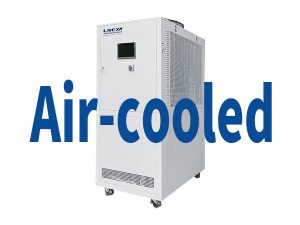
Factors like environment, load, refrigerant, and maintenance affect chiller cooling capacity. Learn how to keep performance stable.
Ver detalles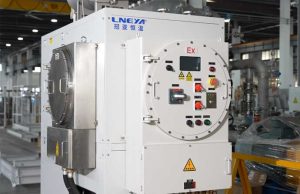
Explosion isolation chillers seal electrical parts to prevent sparks in hazardous areas, ensuring safe cooling for chemical, pharma, and oil sites.
Ver detalles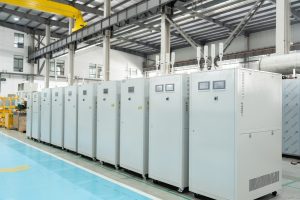
Chiller specifications like cooling capacity, temperature range, flow rate, and compressor type directly impact uptime, efficiency, and product quality.
Ver detalles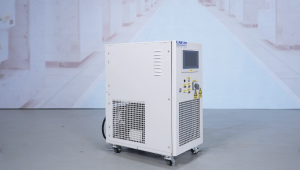
Portable chillers suit small, flexible setups, while central chillers serve large plants with higher efficiency. Learn key differences before choosing.
Ver detalles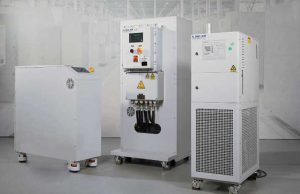
Chillers generate cold water for precise cooling below ambient, while heat exchangers passively transfer heat between fluids without mixing.
Ver detalles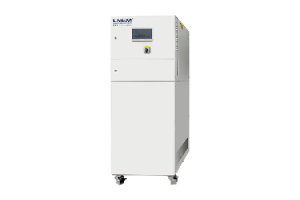
Chiller and chiller heater systems differ in function, cost, and temperature range. Compare both to choose the best cooling and heating solution.
Ver detalles
